Patience without losing your mind: Chapter 3 - THE NEED FOR PATIENCE

Chapter 3 - THE NEED FOR PATIENCE
PATIENCE AS A WAY OF MANAGING OUR EMOTIONS.
The body's physical reaction to an emotional trigger lasts for about 90 seconds. After this , any lingering emotion is the result of consciously or unconsciously replaying the triggering thought, creating a feedback loop. - The "90-second rule" of emotion, coined by neuroscientist Dr. Jill Bolte Taylor
Imagine you go on a canopy walk. Midway through the walk, you look down and see how high you are from the ground. The man behind you (who thinks he has 9 lives 🙄) starts swaying the ropes. Suddenly, your heart starts racing, your breath shortens, and you begin to feel fear.

Let us analyse what just happened.
Your mind recognizes the state of your environment as perceived by your eyes and translates it as potentially dangerous. Your mind then sends the signal, Fear, to tell you that where you are is potentially dangerous. The intensity and duration of the fear are proportional to how “potentially dangerous” the situation is.
That is it! The work of the emotion is done.
Now it's up to you to decide what to do with the fear signal, and this is where we often fail miserably. These are the possible options:
- We think about the emotion and keep replaying it, creating a cycle that prolongs the emotion’s rather short stay.
- We react instinctively to the emotion. In this case, running from the danger. Others can also freeze or panic.
- Remain still within (have patience) and let the emotion pass, then decide on the best course of action. In this case, complete the walk and enjoy the scenery.
This is how all emotions work, be it sadness, jealousy, anger, fear, envy, lust; they all signal us about the state of our environment as perceived by our senses and imagination. They are just visitors and will not stay past their allotted time unless you feed them. The signals are just that, signals; it is up to you to decide what to do with them. Ignore it, or take action.
PATIENCE HELPS BUILD BETTER RELATIONSHIPS.
Patience makes it easy to forgive.
We are all big, messy balls of emotions. Inevitably, someone’s emotion will make them step on your toes. So do you react to every single offense?
No.
Sometimes you just need to be still and let the storm pass. And this is where patience comes in. This fosters a good relationship without hidden resentment.
Hearing both sides of the story.
Never attribute to malice what you can attribute to incompetence
Another application of patience is that it buys you time to hear all sides of the story; when emotions are heightened, we make decisions without gathering enough information. This singular fact is the most common root cause of all conflicts. Patience is needed to prevent making rash decisions.
PATIENCE IN TEACHING.
There is more nothing frustrating than having the gift of learning, understanding, and expression, but having no patience when teaching it to others.
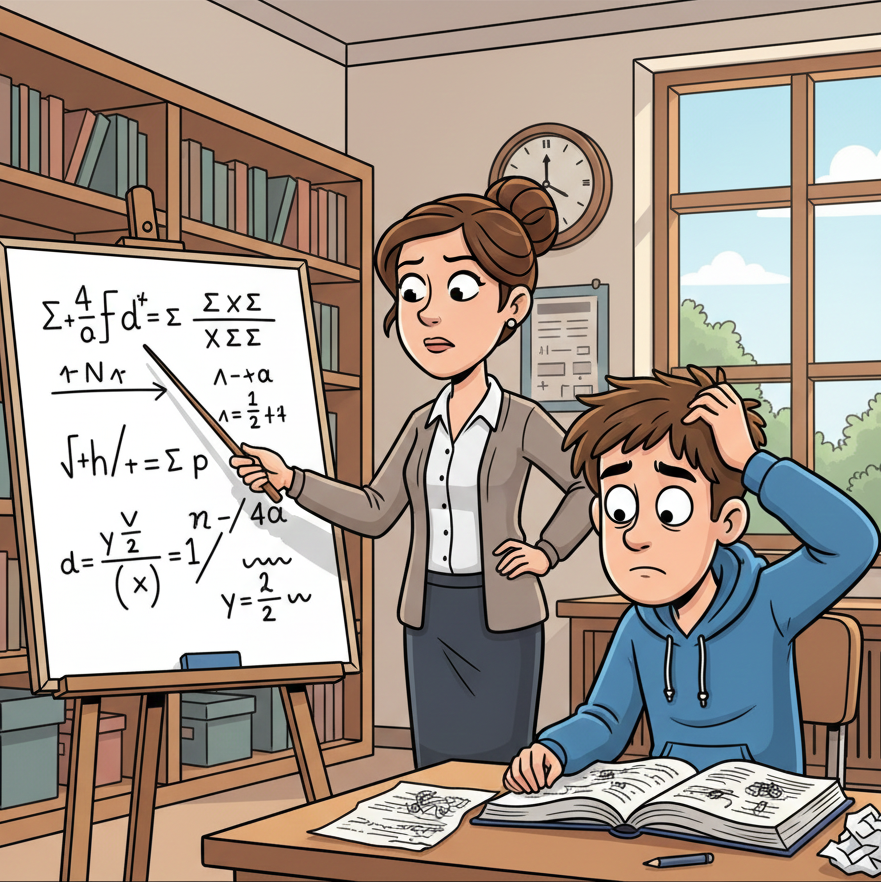
Teaching by itself is a miraculous feat; you are literally:
- Transferring knowledge to another
- Altering someone's ways of thinking
- Altering someone's behaviour
These are no small feats and will surely take time. Aside from its difficulty, everyone learns at their own pace; some are quick learners, while others are not. And what do you need to teach someone who is not a quick learner? You guessed right, Patience.
PATIENCE AS A STRATEGIC RESOURCE.
Supreme excellence consists in breaking the enemy’s resistance without fighting - Sun Tzu, The Art of War
Think of patience as an alternative problem-solving technique.
In the Art of War, Sun Tzu teaches that the skillful leader subdues the enemy’s troops without any fighting. Not every problem requires brute force or immediate action. Sometimes, you just need to wait for the right moment and strike at the right time. This sounds so simple in theory, but not so in practice.
PATIENCE AS A WAY TO PACIFY ANGER.
A soft answer turns away wrath, but a harsh word stirs up anger. - Proverbs 15:1
Two angry people will only prolong a conflict till they are both exhausted or one is badly hurt, but if one is gentle with their words, they can pacify the angry one. This is a simple technique, but it works wonders.
Now the question is, how do I stay calm and use gentle words when dealing with an angry person? This is where the art of inner stillness plays a major role.
COMPOSURE AND GRACE LOOK GOOD ON YOU.
Not a lot of things disgust me, but one that did was witnessing the behavior of a bus conductor towards a passenger on public transport. The irony of the issue is that the bus conductor was 100% right, and the passenger was wrong on every account. So what made his behavior disgusting? Let's read on.
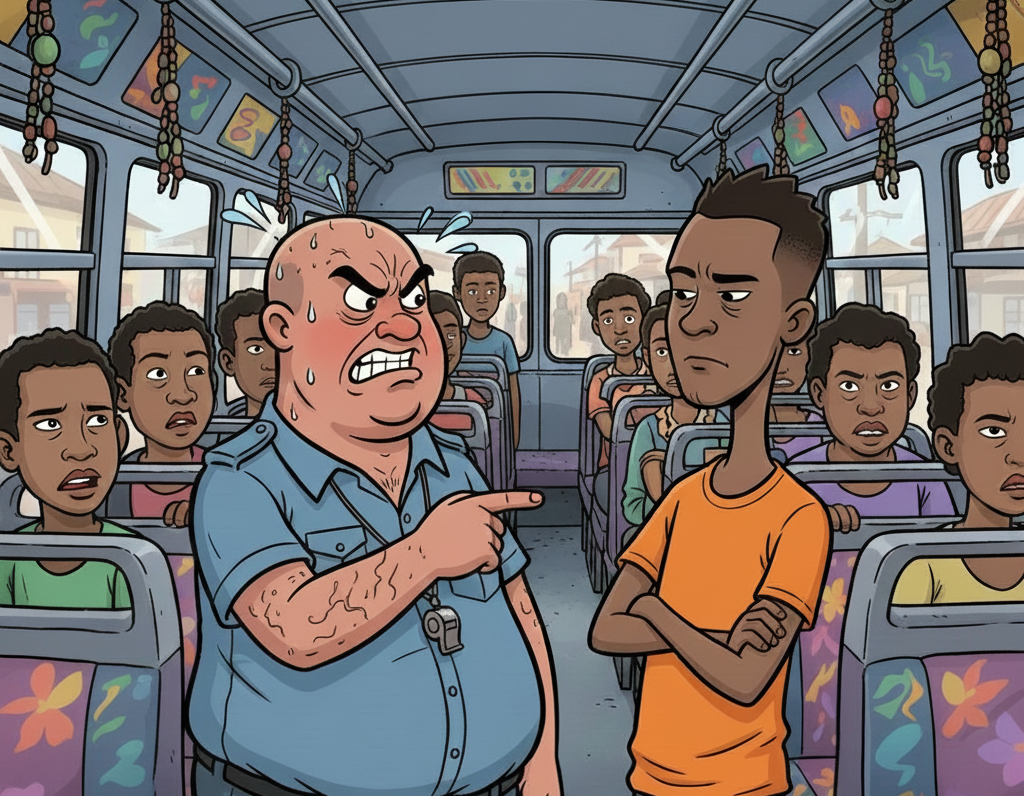
The issue:
- The bus conductor explicitly announced that the bus would avoid the usual route to avoid rush-hour traffic. Yet, this passenger requested to be alighted at a bus stop on the normal route.
- On top of this, the passenger brought out a large currency note to pay for his fare, making it difficult for the conductor to give him change.
- After the passenger alighted, he claimed the bus conductor had not given him his change. After a lot of back-and-forth, he realized he had taken change.
If the passenger was wrong on all accounts, what made the bus conductor's behavior disgusting?
It was his lack of composure and grace in dealing with the issue.
Everyone on the bus sided with the conductor, but this guy would not let go, even after the passenger alighted: he stopped the bus to go and fight the passenger. He grumbled throughout the whole journey. He was harsh, unforgiving, and unpleasant.
After witnessing this ordeal, these questions popped into my head:
- Is this how disgusting losing your patience looks to others?
- Is this how I appear when I lose my cool?
- How would I have perceived this bus conductor if he had shown grace instead?
Food for thought.
My lessons from this experience.
- Being right is not enough; your composure during and after conflict speaks volumes. Lack of composure when offended can still make you look bad, even if you are found not guilty. In conclusion, complaining reduces your aura; composure makes you dignified.
- Grace makes you appear majestic. Back to the question, “How would I have perceived the bus conductor if he had given grace?” One thing I know for sure is that he would have earned my respect and admiration. It was on that day that I understood why grace is synonymous with beauty.
All these are possible only with patience, and this makes it even more attractive than ever before.
We have discussed patience extensively, but one important question remains unanswered. How do we actually acquire it? We will answer this in the next section.
If you find this relatable, share it with a friend! Follow Bytes&Lessons for more realistic guides to understanding and navigating complex concepts.
📸 Instagram • 🐦 X (Twitter) • 📘 Facebook • 🎵 TikTok • 💼 LinkedIn Newsletter • ▶️ YouTube • 🌐 Website: bytesnlessons.com
You should also read:
Patience without losing your mind: Chapter 4 - CATALYST FOR PATIENCE.
Chapter 4 - CATALYST FOR PATIENCE. By now, we know patience starts within you, and reading all the books about patience will not magically make you patient. Patience is not learned intellectually; it is formed internally. Below are tried-and-tested approaches that will assist you on…
Continue reading...
Patience without losing your mind: Chapter 2 - WHY IS PATIENCE SO DIFFICULT TO PRACTICE?
Chapter 2 - WHY IS PATIENCE SO DIFFICULT TO PRACTICE? I have worked on many difficult tasks, but the one that stands out on that list is practicing patience. To make matters worse, nature has wired our bodies and minds to react instinctively and automatically.
Continue reading...
Patience without losing your mind: Chapter 1 - THE PHILOSOPHY OF PATIENCE
Chapter 1 - THE PHILOSOPHY OF PATIENCE If I were to define Patience with a word, it would be STILLNESS. The next best word will be WAITING. It is the ability to be Still Within that helps you wait for the storm to pass. It…
Continue reading...
Patience without losing your mind: INTRODUCTION
INTRODUCTION. My New Year's resolutions in 2025 were simple (or so I thought): These I prayed about and added to my calendar to assess my progress by the end of the year. I began by reading every book I could find on leadership, communication, and…
Continue reading...